Well, folks, the clocks went back at the weekend!
Are you feeling adjusted yet? If not, don’t worry; you’re not alone. I haven’t adjusted yet either. So, with the change of seasons, I thought it was a good time to reflect on the mental health impact and how we can beat the winter blues.
Firstly, an extra hour in bed sounds rather lovely, doesn’t it?
Although I’m not sure Cookie, my dog, is particularly bothered about the clocks changing, and Tim enjoys getting up early to listen to the news anyway!

But as the evenings grow darker, our energy can take a nosedive, our motivation can disappear, and that cosy duvet can suddenly become very persuasive. Perhaps you’ve found yourself wondering, “Why do I feel depressed when the seasons change?” If so, you’re certainly not alone. Changing seasons can affect our mental health, influencing everything from our sleep and energy to our motivation, mood and emotional wellbeing.
For some people, it’s a passing case of the winter blues. For others, it’s something more significant, such as seasonal depression, also known as seasonal affective disorder (SAD). So, pop the kettle on, grab a Hug in a Mug drink ☕💜, and let’s explore how we can be kinder to our minds during the darker months.
Why Do Changing Seasons Affect Our Mental Health?
Our bodies have a natural internal clock, the circadian rhythm, that uses daylight to regulate sleep and wakefulness. As days shorten, changes in natural light can disrupt our routines and affect our mood, sleep, and energy levels.
Of course, our mental wellbeing depends on more than daylight alone. During autumn and winter, many of us spend less time outdoors, become less socially active, and miss those long, light summer evenings.
Seasonal depression symptoms can include persistent low mood, exhaustion, difficulty concentrating, changes in sleep or appetite, and losing interest in activities we usually enjoy. When these symptoms follow a seasonal pattern and significantly affect everyday life, they may indicate seasonal affective disorder.
But not every dip in mood means you have SAD, and seasonal changes affect us all differently. Recognising what’s happening, rather than dismissing our feelings, is an important first step.
Living With Bipolar Disorder and Chronic Fatigue Syndrome: My Experience
This subject is particularly close to my heart. 💜
Living with both bipolar disorder and chronic fatigue syndrome (ME/CFS) has taught me a great deal about recognising changes in my mood, energy and emotional wellbeing. I’ve learnt that looking after my mental health isn’t about being positive or productive every single day. It’s about recognising my patterns, respecting my limits, pacing my energy, and knowing when I need extra support.
And there’s an important distinction here, folks. The debilitating exhaustion associated with CFS isn’t simply feeling a little tired because it’s dark outside. It’s a complex, long-term condition, and pushing beyond our energy limits can make symptoms significantly worse.
Likewise, changes in sleep and daily routines can be particularly important for people living with bipolar disorder, where maintaining stability matters. My experiences have reinforced something I often explore through coaching: self-awareness, self-compassion, and understanding our individual needs are essential to looking after our wellbeing.
How to Cope With Seasonal Mood Changes: My 3 MoJoe Tips
While we can’t control the weather or stop the clocks from changing, we can take small, practical steps to support our emotional well-being. In my coaching practice, I give my clients the tools they need to navigate everyday life, including seasonal changes.
So, here are three MoJoe mental wellness tips for navigating those darker days:

MoJoe Tip 1: Get Curious About Your Mood, Not Critical
When our mood dips or our motivation disappears, it’s easy to become frustrated with ourselves. We might question why we’re tired, why everyday tasks feel harder, or why we can’t simply snap out of it.
Rather than listening to that inner critic, get curious about what you’re experiencing. Notice when your mood changes, what affects your energy and which situations leave you feeling overwhelmed or emotionally drained.
You could keep a simple mood diary, giving each day a score out of ten and adding a few notes about your sleep, energy, and emotions. Over time, you may begin noticing patterns that help you understand yourself better.
My MoJoe reminder: You don’t have to judge every feeling. Sometimes, understanding what you’re experiencing is the first step towards making a positive change.
MoJoe Tip 2: Protect Your Energy and Be Kind to Your Mind
When we’re feeling low, there’s often pressure to do more. Get outside, exercise, socialise and think positively! But mental wellbeing isn’t one-size-fits-all, and what helps one person might not be appropriate for another.
Living with chronic fatigue syndrome has taught me the importance of respecting my energy limits rather than continually pushing through exhaustion.
For some people, a gentle walk, a little natural daylight or regular movement can help support their mood. For others, particularly those living with ME/CFS, managing energy carefully and avoiding activities that worsen symptoms must take priority.
Whatever your circumstances, try to create routines that support your individual needs. That might mean protecting your sleep, allowing time to rest or simply learning that it’s okay to say no.
My MoJoe reminder: Rest isn’t laziness, and your worth is never measured by how much you manage to achieve. A favourite quote of mine by Marthe Troly-Curtin is, “Time you enjoy wasting is not wasted time.”

MoJoe Tip 3: Stay Connected and Create Little Moments of Joy
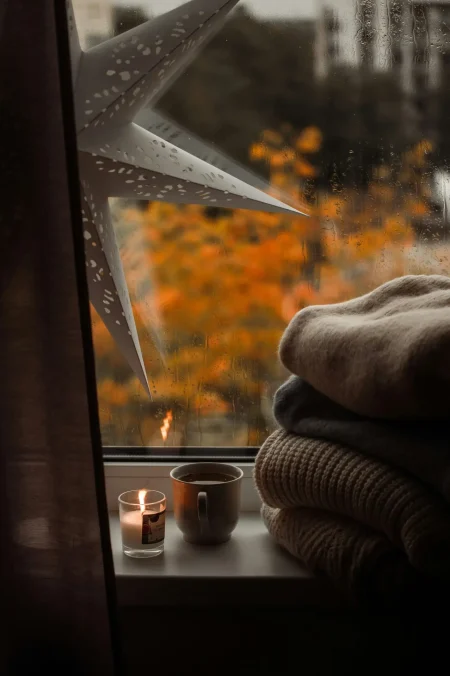
When the darker evenings arrive, retreating under a blanket with a cuppa and the biscuit tin can seem rather appealing. And there’s absolutely nothing wrong with enjoying a cosy evening at home!
However, when low mood leads us to withdraw from people and activities we enjoy, we can sometimes feel even more isolated. Connection doesn’t have to mean a busy social calendar. A quick phone call, a message to a friend or a quiet cuppa together can make a meaningful difference.
Here’s a little MoJoe challenge for you. Think of three simple things that bring you comfort or joy, then choose one that feels manageable this week. Perhaps it’s reading a favourite book, enjoying a woodland walk or spending time with someone who makes you smile.
My MoJoe reminder: You don’t have to wait for spring to create little moments of happiness. Sometimes the smallest things bring the greatest comfort.
Mini MoJoe Moments for Your Mental Wellbeing
If you’ve found these three tips helpful, why not explore my FREE MoJoe Toolbox next?
I’ve created a collection of practical mental wellbeing resources to help you reflect, recharge and reconnect with yourself. Whether you’re experiencing stress, anxiety, overwhelm, or simply feeling a little lost, they’re there to help you take manageable steps towards feeling more like yourself.
If you’d like more MoJoe mail to land in your inbox, you can also sign up for my e-newsletter for gentle wellbeing reminders, practical tips, and updates from me.

Finding Your MoJoe Through Mental Health Coaching
Sometimes we recognise we’re not feeling like ourselves but aren’t sure what’s holding us back or what needs to change.
Through mental health coaching, we can explore your thoughts, habits, emotional triggers, and personal goals to help you build greater self-awareness, confidence, and practical strategies to support your wellbeing.
Coaching isn’t a replacement for medical treatment, but it can complement appropriate professional support. If you’re experiencing persistent low mood, symptoms of seasonal depression or changes in your existing mental health condition, please speak to your GP.
A Gentle Reminder for the Darker Days
If you ever take a walk through Sherwood Forest at this time of year, you’ll see the trees letting go of their leaves. Nature doesn’t expect everything to bloom year-round, and perhaps we shouldn’t expect that of ourselves either. It is a necessary time to renew, to bloom again in spring.
We can give ourselves permission to slow down, reflect, and look after our wellbeing without feeling guilty for needing a little extra care.
And remember, folks, you don’t have to navigate the darker days alone. Whether you’d like free resources or a friendly coaching chat, you’ll find me at the cosy MoJoe Lounge at Edwinstowe House, Nottinghamshire, or we can connect online.
Be kind to your mind, folks. Spring will come. It always does. 🌱💜
Joe x

If you need urgent mental health support, contact NHS 111 and select the mental health option, or call Samaritans free on 116 123. In an emergency, call 999.
Further reading: NHS Seasonal Affective Disorder Information.
