I am a certified sun goddess, and I absolutely love the summer. But this unprecedented heatwave can impact us all. Sunny weather can bring a sense of summer freedom, but if it’s too hot, we can feel trapped and limited in what we can safely do.
For many people, the heat can also feel overwhelming, exhausting and emotionally draining. If you notice that you feel more irritable, anxious, low, restless, tearful or unable to concentrate during hot weather, you are not imagining it. Heat can affect both the body and the mind. It can disturb sleep, increase physical discomfort, make daily routines harder, and sometimes intensify existing mental health symptoms.
As a mental health coach, I believe that it is important to talk openly about the real-life impact of all aspects of our lives and environment on our mental wellness, including the weather. For after all, mental health is not separate from the body.
Why can hot weather affect mental health?
Hot weather can affect mental health in several ways:
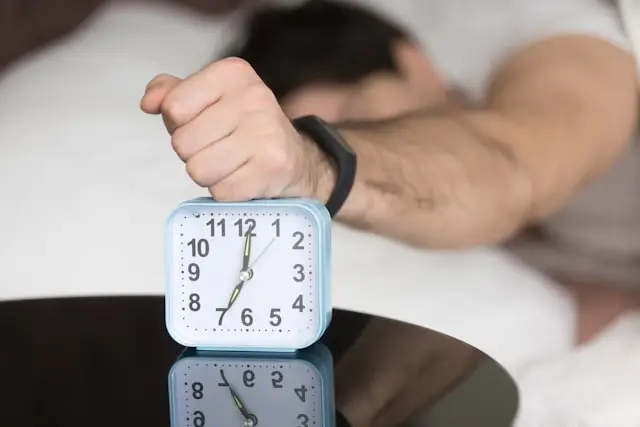
Heat can disrupt sleep
When temperatures stay high overnight, it can be harder to fall asleep and stay asleep. Poor sleep can affect mood, concentration, patience and emotional resilience.
A few difficult nights can leave you feeling more sensitive, snappy, tearful or overwhelmed. For people already living with anxiety, depression, trauma, bipolar disorder, psychosis, chronic illness or neurodivergence, disrupted sleep can sometimes have a bigger impact.
Heat can increase anxiety symptoms
Some physical signs of being too hot can feel similar to anxiety or panic. For example:
- A racing heart.
- Dizziness.
- Sweating.
- Feeling faint.
- Breathlessness.
- Nausea.
- Shaking.
- Feeling detached or unreal.
If you already experience anxiety or panic attacks, these sensations may feel frightening. You might start worrying that something is wrong, which can then increase the anxiety cycle.
It can help to gently remind yourself: “My body may be reacting to the heat. I can cool down, hydrate and slow my breathing.”
Heat can make daily life feel harder
Hot weather can make ordinary tasks feel more demanding. Cooking, cleaning, working, parenting, travelling, exercising or attending appointments can all feel harder when your body is trying to stay cool.
This can lead to frustration, guilt or feeling like you “should” be coping better. But heat is a real physical stressor. Needing to slow down does not mean you are lazy, weak or failing. It means your body is asking for care.
Heat can affect people taking some medications
Some medications can affect how the body manages heat, hydration, sweating, thirst or sun sensitivity. This may include some medicines used for mental health, blood pressure, heart conditions, diabetes and other long-term health conditions.
Do not stop taking prescribed medication because of hot weather unless a medical professional tells you to. If you are worried, speak to your GP, pharmacist or mental health team. They can advise you safely.
It is also important to store medication correctly. Avoid leaving medicines in hot cars, direct sunlight, windowsills or very warm rooms unless the medication instructions say otherwise.
Hot weather can increase isolation
Some people avoid going out when it is hot. This may be because of anxiety, mobility issues, sensory sensitivity, chronic illness, body confidence, financial worries, transport difficulties or fear of becoming unwell.
Staying indoors can sometimes be necessary and sensible. But if it leads to isolation, mood can dip. A short phone call, message, gentle check-in or visiting a cooler public space may help.
Who may be more vulnerable in hot weather?
Anyone can become unwell in hot weather. However, some people may be more at risk, including:
- Older adults.
- Babies and young children.
- Pregnant people.
People with long-term physical health conditions. - People with mental health conditions.
- People taking certain medications.
- People who live alone.
- People who are homeless or sleeping rough.
- People living in homes that overheat.
People on low incomes who may struggle to keep their home cool. - Outdoor workers.
- People who find it difficult to adapt routines, such as some neurodivergent people.

3 ways to protect your mental health in hot weather
1. Plan around your energy
If possible, do demanding tasks earlier in the morning or later in the evening when it is cooler. Permit yourself to adapt.
That might mean:
- Moving appointments.
- Reducing non-urgent tasks.
- Preparing simple meals.
- Taking more breaks.
- Lowering expectations.
- Asking for help.
- Resting without guilt.
- Hot weather is not the time to push through at any cost.
2. Notice anxious thoughts without judging them
Hot weather can make us feel out of control. You might worry about your health, your home, your family, climate change, money, work or sleep.
Try asking yourself:
- What is one thing I can do in the next ten minutes to help my body feel safer?
- Do I need water, shade, rest, food or support?
- Is this an emergency, or is my nervous system overwhelmed?
- Who could I message or call?
- Grounding techniques may also help. Try placing your feet on the floor, slowing your breathing, naming five things you can see, or holding something cool in your hands.
3. Stay connected
If the heat is making you feel low, trapped or overwhelmed, try not to go through it alone.
Connection does not need to be intense. It could be:
- Sending one honest text.
- Asking someone to check in later.
- Sitting in a cooler public place.
- Calling a helpline.
Speaking to your GP, pharmacist or support worker. - Booking a coaching or wellbeing session when appropriate.
When hot weather becomes urgent
Heat exhaustion and heatstroke need to be taken seriously. Signs of heat exhaustion can include headache, dizziness, feeling sick, cramps, heavy sweating, thirst, weakness or feeling faint. If someone is showing signs of heat exhaustion, move them somewhere cool, help them drink fluids and cool their skin.
Heatstroke is a medical emergency. Call 999 if someone has symptoms such as confusion, loss of consciousness, a seizure, very hot skin, fast breathing, a fast heartbeat, or if they are not getting better after cooling down.
If you are unsure what to do, contact NHS 111 for advice.
Useful support in Nottinghamshire
If hot weather is affecting your mental health, or you are worried about someone else, support is available.
Mental health crisis support
Nottingham and Nottinghamshire 24/7 Mental Health Crisis Line. This is available 24 hours a day, seven days a week, for people of all ages in Nottingham and Nottinghamshire who need urgent mental health support.
You can also contact NHS 111 and select the mental health option if you need urgent mental health help. Call: 0808 196 3779
Nottinghamshire Crisis Sanctuaries
Nottinghamshire Crisis Sanctuaries offer safe spaces for people who are nearing crisis point or need out-of-hours mental health support. Support may be available in person, by phone or by video call. Call: 0330 822 4100
Samaritans
If you need someone to listen, you can contact Samaritans at any time. You do not have to be suicidal to call. You can talk about whatever you are going through.
Call: 116 123
Emergency help
If there is immediate danger to life, or someone is seriously unwell, call 999 or go to your nearest A&E.
Disclaimer
Joe Roe is a mental health coach and Master NLP Practitioner, not a medical doctor. This blog is for general information and wellbeing support only. It is not medical advice, diagnosis or treatment.
If you are concerned about your physical or mental health, medication, heat exhaustion, heatstroke, dehydration, worsening mental health symptoms, or how hot weather may affect an existing condition, please seek advice from a qualified medical professional such as your GP, pharmacist, NHS 111, your mental health team or emergency services.
If you feel at immediate risk, or someone’s life is in danger, call 999.
